
If you’ve ever watched store-bought basil wilt in the fridge while wishing you could just snip fresh herbs whenever you need them, you’ve probably thought about growing your own.
The problem is that most people get stuck before they even start: picking compatible seeds, choosing the right soil, finding the right containers, and keeping watering consistent. And if your first try fails fast, it’s easy to decide indoor gardening “just isn’t for you.”
The truth is: you can grow herbs (and even some vegetables) indoors — especially if you choose a kit that matches your space, your light, and your schedule. This guide breaks down the best vegetable and herb garden kits for different lifestyles, including what each kit does well and what to watch out for.
By the end, you’ll know exactly which kit fits your setup — whether you’re in a tiny apartment, you want low-maintenance automation, or you’re trying to grow real vegetables (not just basil and mint).
Why Most Indoor Herb Gardens Fail (And How These Kits Fix It)
Most indoor herb gardens fail for one reason: the setup demands consistency before you’ve built the habit.
Traditional growing means you’re juggling:
- seed selection
- soil and drainage
- pot sizing
- watering schedules
- light levels
- airflow and pruning
Miss just one piece (like watering consistency or light), and your plants decline fast.
Garden kits reduce failure points by removing decisions you shouldn’t have to make as a beginner:
- seeds or pods are designed to work in the system
- soil or growing medium is pre-measured
- containers are matched to plant size
- many include self-watering reservoirs or reminders
- hydroponic systems eliminate soil and handle light automatically
If you want the easiest path to success indoors, the biggest lever is simple: remove manual watering and inconsistent light. That’s what the best kits do.
Quick Comparison: Which Garden Kit Type Fits Your Life?
Choose hydroponic kits if you want:
- reliable growth without a sunny window
- the fastest harvests (especially for herbs and greens)
- low-maintenance, automated light + water reminders
- a cleaner, soil-free setup
Best for: apartments, low natural light, busy schedules
Choose soil-based kits if you have:
- a bright window (ideally south-facing)
- a tighter budget
- preference for traditional growing
- the desire to use any seeds you want (no proprietary pods)
Best for: beginners who want simple + cheap and don’t mind watering
Choose vertical systems if you want:
- 20+ plants at once
- vegetables and greens in higher volume
- maximum output with a small footprint
- you’re comfortable spending more up front
Best for: serious home cooks, year-round vegetable goals
10 Best Vegetable and Herb Garden Kits for Every Space and Budget (2026)
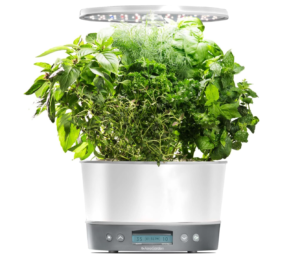
1) AeroGarden Harvest Elite — Best Overall
Price: ~$120 | Rating: ~4.1/5
If you want a “set it and succeed” countertop garden, this is the classic pick. You get a compact hydroponic system that grows 6 pods at once with built-in LED lighting and reminders for water and nutrients.
Best for: low light homes, beginners who want automation, consistent harvests
Limitations: proprietary pods add ongoing cost; mild pump hum may be noticeable
Why it works: it removes the two biggest failure points — light and watering consistency.
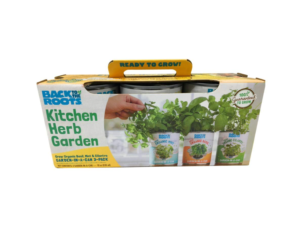
2) Back to the Roots Windowsill Garden Kit — Best Budget
Price: ~$28 | Rating: ~4.0/5
This kit is simple and affordable: it includes organic seeds and ready-to-use growing medium (usually moisture-balancing soil or biochar blend) in easy-to-place containers that go right on your windowsill. It’s designed for beginners who want to test indoor growing without electronics or complicated setup.
Best for: tight budgets, sunny windowsills, trying indoor gardening for the first time
Limitations: requires consistent manual watering; performance depends on adequate natural light
Tip: if your window light is weak, add a small clamp grow light to dramatically improve results.
3) Lettuce Grow Farmstand Nook — Best for Vegetables
Price: ~$779 | Rating: ~4.1/5
If your real goal is vegetables — leafy greens, peppers, tomatoes — you need capacity and root space. This vertical hydroponic system is built for that, with room for up to 20 plants and a large reservoir.

Best for: serious veggie growers, year-round output, high volume greens
Limitations: high upfront cost; relies on their seedling ecosystem; requires space and commitment
Note: the “Nook” version is designed for indoor use.
Price: ~$125 | Rating: ~4.5/5
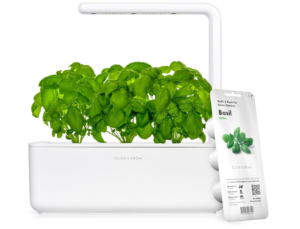
This is one of the best options if you want something small, clean, and stylish. It grows 3 pods with an adjustable LED light and a self-watering design.
Best for: very small kitchens, singles/couples, minimal clutter setups
Limitations: 3 pods can feel limiting if you cook often; you’ll use branded pods
Why it works: it’s compact enough that you’ll actually keep it out and use it.
Price: ~$69 | Rating: ~4.7/5
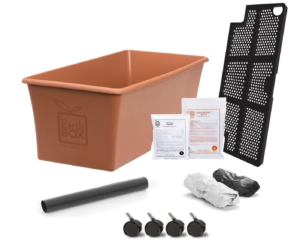
If you prefer soil but hate the “overwater/underwater” cycle, the EarthBox is a classic sub-irrigated planter with a reservoir that waters from below.
Best for: soil gardeners who want self-watering reliability; indoor or outdoor use
Limitations: you supply potting mix and plants/seeds; needs strong light or a grow light
What it’s great at: tomatoes, lettuces, herbs — especially if you want to avoid hydroponics.
Price: ~$349 | Rating: ~4.0/5
This is a bigger step up in design and capacity. It holds 12 plants and is built to look intentional in living spaces (not like a science project on your counter).
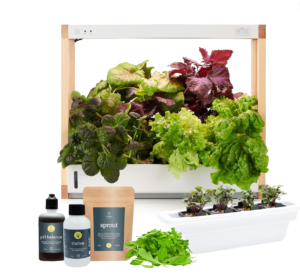
Best for: people who want a higher-end look + strong growing power
Limitations: premium price; app integration is helpful (but you can run it manually)
Why it works: it’s expandable and built for long-term use if you stick with the hobby.
Price: ~$19 | Rating: ~4.2/5
If you want to learn the basics and keep the risk low, this seed-starting style kit gives you a classic foundation: multiple herb varieties, starter pots, and a humidity dome.
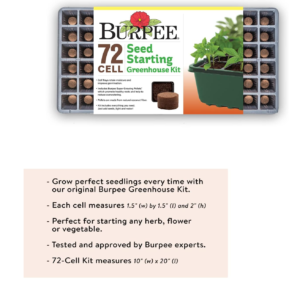
Best for: learning the process, low-cost entry, seed-starting practice
Limitations: you’ll transplant later; daily moisture checks are part of the deal
Good to know: this is a “training wheels” kit — great for learning, not long-term growing.
Price: ~$89 | Rating: ~4.5/5
Instead of seeds, you get pre-rooted plants selected for your location and season. That means you skip germination and get faster results.
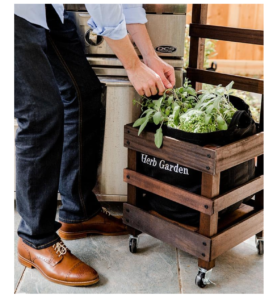
Best for: faster gratification, patios/balconies, bringing herbs indoors during weather swings
Limitations: seasonal availability; soft grow bag needs stable placement/support
Price: ~$90 | Rating: ~4.4/5
If you want pod capacity without premium pricing, this 12-pod system gives you a lot for the cost, often including features like a height-adjustable light and sometimes airflow support.
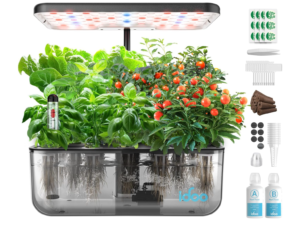
Best for: bigger households, frequent herb use, value-focused buyers
Limitations: quality consistency can vary by unit; water reservoirs may need light-blocking to reduce algae
Tip: keep the reservoir shielded from light for cleaner maintenance.
Price: ~$35–$65 | Rating: ~3.6/5
If you want your herb kit to look like decor, this is a great pick. You get sleek ceramic/glass styling and a simple self-watering system that still keeps the setup beginner-friendly.
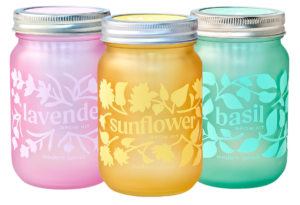
Best for: aesthetic kitchens, gifting, “small but pretty” herb growing
Limitations: limited capacity (usually 1–5 herbs); still needs weekly attention
How to Choose a Garden Kit That Matches Your Actual Life
Most people don’t fail because they chose a “bad” kit — they fail because they chose a kit that doesn’t match how they live.
1) Space (use real measurements)
Before you buy, measure where the kit will go:
- Countertop units need breathing room (airflow matters)
- Vertical towers need stable flooring + a nearby outlet
- Adjustable grow lights often need extra clearance above the listed height
If a system is annoying to live around, you’ll eventually move it… and then stop using it.
2) The travel test
Match the kit to how often you’re away:
- gone 1–2 nights/month → almost any kit works
- gone 3–7 nights/month → choose hydroponic/self-watering
- gone 7–14 nights/month → choose large reservoirs (EarthBox / vertical systems)
- gone 15+ nights/month → growing becomes unreliable unless someone helps
3) The true cost (first year)
Hydroponics usually costs more over time:
- pods/medium replacements
- nutrients
- electricity
Soil kits cost less but require more hands-on attention.
A practical way to decide: if you regularly buy herbs/greens and you actually use them, hydroponics can be worth it. If you just want occasional basil for pasta, soil kits win.
4) Light (the make-or-break factor)
Use this quick test: put your hand where the kit will sit at noon on a sunny day.
- clear shadow → good natural light
- weak/no shadow → plan on grow lights or hydroponic with built-in LEDs
Hydroponic vs Soil-Based: Which Grows Food Faster?
Hydroponics is typically faster for herbs and leafy greens because nutrients and water are delivered directly to the roots, and the light is consistent.
Soil can still perform extremely well — but only if your light and watering are consistent.
Choose hydroponic if you want: faster results, less guesswork, low-light success
Choose soil if you want: lower cost, flexibility with seeds, traditional growing
Common Problems You Should Expect (So You Don’t Panic)
These issues don’t mean you’re “bad at gardening.” They’re just normal indoor growing problems:
- mold during germination (too much humidity under domes)
- light burn (plants grow into LEDs if you don’t harvest)
- algae in reservoirs (light hitting water = algae)
- crowding (too many plants create humidity pockets and mildew risk)
- pod/medium “burnout” (hydroponic media loses effectiveness over time)
If you expect these, you can fix them quickly instead of quitting.
5 Mistakes That Sabotage Indoor Herb Gardens (And How to Avoid Them)
1) Overfilling self-watering reservoirs
Fill to the line — more is not better. Roots still need oxygen.
2) Letting pods/media run too long
If growth slows and leaves yellow even though light and nutrients are correct, the medium may be exhausted. Rotate pods/media on a schedule, not just when things look bad.
3) Incorrect light distance
Too close burns leaves. Too far causes weak, stretchy growth. Check weekly.
4) Packing every pod spot
More plants isn’t always more food. Strategic spacing prevents mildew and improves yield.
5) Not pruning/harvesting
If you don’t harvest, many herbs bolt (flower) and quality drops. Regular trimming keeps plants productive.
The Best Herb Garden Kit for Most People (And Why)
If you want the most reliable “plug it in and succeed” experience, the AeroGarden Harvest Elite is usually the best fit for most households.
Why it’s the most practical:
- 6 pods is a realistic amount for everyday cooking
- built-in light removes window dependency
- reminders help you stay consistent without thinking about it
- fast harvest timeline keeps you motivated
- compact footprint fits most counters
If you want fresh herbs without turning it into a whole new hobby, this is the kit that makes indoor growing feel simple.
Common Questions About Vegetable and Herb Garden Kits
Can you really grow vegetables in these kits or just herbs?
Yes — but vegetables are more demanding. Leafy greens do great in many hydroponic systems. Fruiting plants (tomatoes/peppers) need more root space and support, which is why larger systems (EarthBox, Lettuce Grow) tend to perform better.
How much do replacement pods and nutrients cost long-term?
It depends on rotation frequency, but hydroponics typically includes ongoing costs for pods/media and nutrients. Soil kits usually cost less over time but require potting mix, seeds, and more hands-on care.
What if you travel frequently — will plants die?
Large reservoir systems are most travel-friendly. Smaller countertop systems often need refills within 7–14 days depending on plant size and growth stage. Soil kits without self-watering usually need attention every 2–3 days.
Do hydroponic herbs taste different from soil-grown?
Freshness matters more than method. Herbs cut right before cooking almost always beat store-bought herbs — regardless of whether they were grown in soil or water.
Which herbs grow fastest for impatient beginners?
Basil is typically the easiest and fastest. Cilantro and dill are also quick. Parsley can take longer to germinate. Rosemary and thyme are slower and usually better once you’ve built confidence.
Can these kits handle outdoor use or just indoors?
Some work both indoors and outdoors (EarthBox, grow bags). Most hydroponic systems with electronics are indoor-only because moisture and temperature swings can damage pumps and lighting components. Always check the manufacturer’s guidance before placing anything outside.
Making Your Choice
The best kit isn’t the one with the most features — it’s the one you’ll still be using when the novelty fades.
Pick the system that matches:
- your light
- your space
- your travel schedule
- your budget (including ongoing costs)
Start small, succeed quickly, and expand later if you love it. That’s the path to actually harvesting herbs — not just buying a kit that ends up in a closet.